










 Aspiring
 Launching
 Elevating
 Mastering




 ACADEMIES
 CONFERENCES



 Leadership
 Legal
Legal Employment






















Explore the School Leader Paradigm
Below is a quick, user-friendly way to explore the resources, supports, and professional learning the IPA has to offer as they relate to the School Leader Paradigm. Scroll down to find either a leadership competency or dimension that you want to begin exploring right now.
Intelligences — Becoming
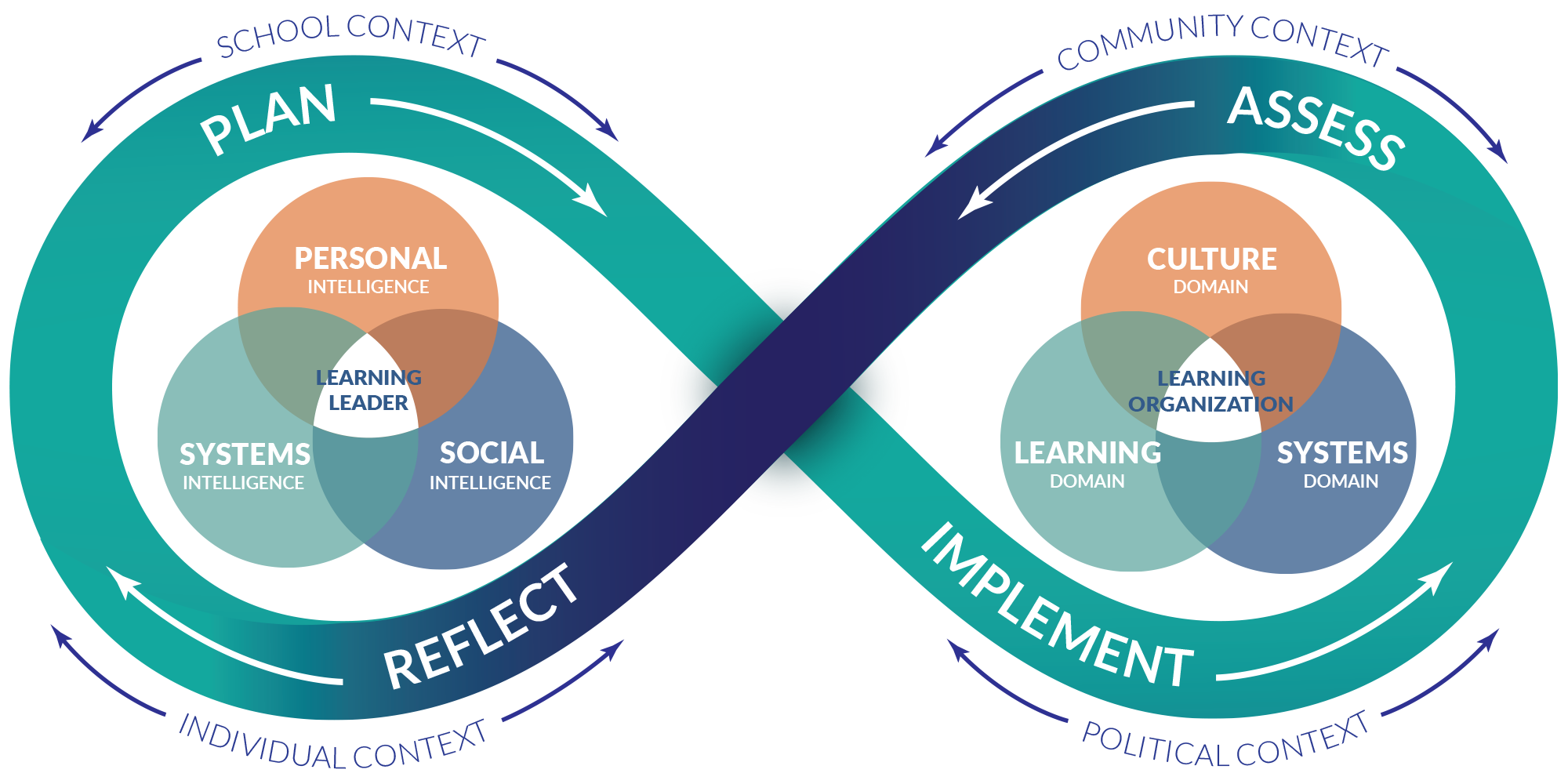
The “Becoming” side of the School Leader Paradigm consists of the convergence of Personal, Social, and Systems Intelligences. Each intelligence has four competencies, which are broken down into four attributes. The attributes are behaviors recognized as critical for school leaders to be successful but are not intended to be an exhaustive list.
Domains — Doing
The “Doing” side of the School Leader Paradigm consists of the convergence of the Culture, Systems, and Learning Domains. Each domain has seven leadership dimensions which are broken down into essential leadership behaviors.